Giorgio

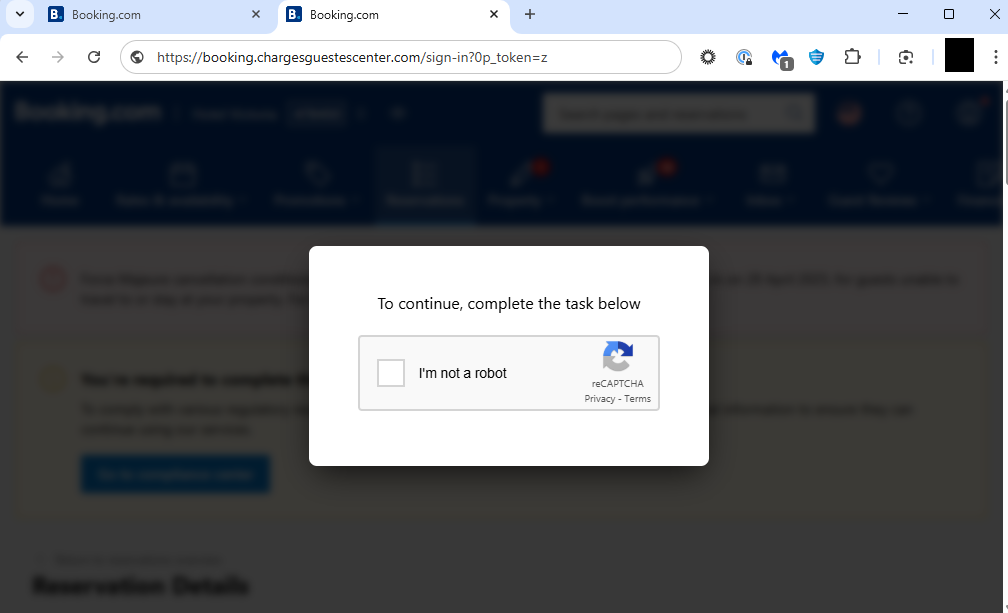
Victims risk AsyncRAT infection after being redirected to fake Booking.com sites

Cybercriminals have started a campaign of redirecting links placed on gaming sites and social media—and as sponsored ads—that lead to fake websites posing as Booking.com. According to Malwarebytes research, 40% of people book travel through a general online search, creating a lot of opportunities for scammers. The first signs of the campaign showed up mid-May and […]

Victims risk AsyncRAT infection after being redirected to fake Booking.com sites Leggi tutto »

A week in security (May 26 – June 1)

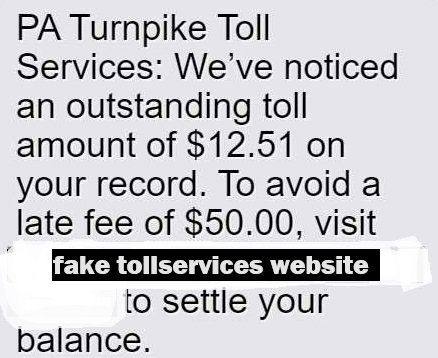
Last week on Malwarebytes Labs: Porn sites probed for allegedly failing to prevent minors from accessing content Take back control of your browser—Malwarebytes Browser Guard now blocks search hijacking attempts Deepfake-posting man faces huge $450,000 fine Fake AI video generator tools lure in Facebook and LinkedIn users to deliver malware New warning issued over toll

A week in security (May 26 – June 1) Leggi tutto »

Porn sites probed for allegedly failing to prevent minors from accessing content

Four porn sites are being investigated by the European Commission under its Digital Services Act (DSA) for allegedly failing to verify its users’ ages properly. The Commission, which drafts and enforces the European Union’s laws, is focusing the lens on Pornhub, Stripchat, XNXX, and XVideos with the investigation. It launched the inquiry after sending requests

Porn sites probed for allegedly failing to prevent minors from accessing content Leggi tutto »

Take back control of your browser—Malwarebytes Browser Guard now blocks search hijacking attempts 

Search hijacking, often referred to as browser hijacking, occurs when cybercriminals modify users’ browser settings without their consent. This often results in users being redirected to potentially malicious websites, such as fake customer service offerings.   Search hijacking commonly happens through free downloads, bundled software, or fake browser extensions that pose as helpful tools.   These attacks can

Take back control of your browser—Malwarebytes Browser Guard now blocks search hijacking attempts  Leggi tutto »

Deepfake-posting man faces huge $450,000 fine

A man is facing a $450,000 AU fine after he published deepfake images of prominent Australian women on the now-defunct MrDeepfakes web site. That’s if Australia’s online safety regulator gets its way. Anthony Rotondo faces charges of posting these and other explicit deepfake images to the MrDeepfakes website, which closed down earlier this month. According

Deepfake-posting man faces huge $450,000 fine Leggi tutto »

Deepfake-posting man faces huge $450,000 fine

A man is facing a $450,000 AU fine after he published deepfake images of prominent Australian women on the now-defunct MrDeepfakes web site. That’s if Australia’s online safety regulator gets its way. Anthony Rotondo faces charges of posting these and other explicit deepfake images to the MrDeepfakes website, which closed down earlier this month. According

Deepfake-posting man faces huge $450,000 fine Leggi tutto »

Fake AI video generator tools lure in Facebook and LinkedIn users to deliver malware

Cybercriminals are taking advantage of the public’s interest in Artificial Intelligence (AI) and delivering malware via text-to-video tools. According to researchers at Mandiant, the criminals are setting up websites claiming to offer “AI video generator” services, and then using those fake tools to distribute information stealers, Trojans, and backdoors. Links to the malicious websites were

Fake AI video generator tools lure in Facebook and LinkedIn users to deliver malware Leggi tutto »

184 million logins for Instagram, Roblox, Facebook, Snapchat, and more exposed online

A recent discovery by cybersecurity researcher Jeremiah Fowler of an unsecured database containing over 184 million unique login credentials has once again highlighted the growing threat posed by infostealers. While the sheer volume of exposed data—including emails, passwords, and authorization URLs—is alarming, the real concern is not just about the exposure itself, but in how

184 million logins for Instagram, Roblox, Facebook, Snapchat, and more exposed online Leggi tutto »